Small talk gets a bad reputation, and mostly it deserves one. "How are you?" "Busy, you?" "Same." Two people exchange weather reports, laugh politely and walk away with nothing they'll remember an hour later.
The fix isn't a sharper opening line. It's the question that comes after the first answer — the one that proves you were listening rather than waiting. What follows is a checklist of ten follow-ups worth keeping in your pocket, the reasoning behind each, and a handful of habits that stop them sounding like an interview.
The Second Question Does the Work
Ask someone how their weekend was and you'll get a verdict: good, quiet, too short. Ask what they did on Saturday morning and you get a scene — the queue at the recycling centre, the sourdough that refused to rise, the niece's football match in the rain.
The first question is a formality and both of you know it. The second is where the conversation decides whether it's worth having. It signals that you heard the answer instead of simply waiting for your turn, and it gives the other person permission to be specific rather than polite.
There's a practical reason too. Most of us carry a small set of answers we give on autopilot, and being asked something slightly different comes as a relief. You don't need wit or a store of anecdotes. You need one genuinely curious follow-up and enough patience to let it land.
The Ten-Question Checklist
Use one at a time. They aren't a script to run through in order — think of them as tools on a bench.
- "What's been taking up most of your time lately?" A fresher route than "busy?". It works with strangers, colleagues and people you've known for years, and it usually surfaces something they actually care about.
- "How did you end up doing that?" The origin question. Point it at a job, a move, a hobby, a dog, a city and you'll get a story instead of a label.
- "What part of it do you actually enjoy?" The word actually does the work. It quietly admits that some of it is tedious, which makes an honest answer easier to give.
- "What's the hardest bit?" Almost nobody asks this. People are usually willing to answer, and what they say tends to be more interesting than the highlights.
- "What surprised you?" It pushes past the summary. A summary is what they think you want to hear; a surprise is what stayed with them afterwards.
- "Would you do it again?" Low stakes, quietly revealing. A yes arrives with reasons attached. So does a no, and the no is often funnier.
- "Who else is involved?" People are where the stories live. One mention of a colleague, a coach or a difficult neighbour can carry the next ten minutes on its own.
- "What are you looking forward to?" Useful when a conversation has gone flat. It changes the direction of travel without changing the subject.
- "Is it as good as it looks?" For a new flat, a new job, a trip, a hobby. It invites a real opinion, which is what you were after.
- "What should I have asked?" The best last question there is. It hands the other person the map, and it often produces the line you remember from the whole evening.
How to Ask Without Sounding Like an Interview
A good question asked badly is just an interrogation with better manners. A few rules of thumb:
- Pick one, not five. Firing three questions in a row turns a conversation into a questionnaire. Ask, listen to the whole answer, then decide.
- Trade something back. Answer your own question in a sentence before or after you ask it. "I've spent the week fighting a spreadsheet. What's been eating your time?" Reciprocity is what separates interest from extraction.
- Match the depth. At a bus stop, keep it light. Two hours into dinner, you can go further in. Read the room, not the checklist.
- Let a silence sit. The most useful three seconds in any conversation are the ones after someone finishes a sentence. People often add the real answer once they've had a moment.
- Drop a question that flops. If the reply is two words and a shrug, don't push. Change direction, offer something of your own, or let it rest.
Listening for the Doorway
When a conversation is going well, people leave markers showing where they'd rather be talking. Most of them are easy to miss because they arrive as asides.
Watch for the throwaway detail: "It was fine, apart from the drive down." That last part is the doorway. Notice the change in pace or volume — people speed up and get quieter around the thing they care about. Notice the hedge words, too, the "long story" or the quick "anyway" that arrives just after a topic. Either one is an invitation, and neither is subtle once you start listening for it.
The best follow-up is often simply the last thing they said, handed back with a little interest: "You said the drive down. What happened?"
Where the Checklist Stops
Curiosity has edges. Grief, illness, money trouble, a break-up or a job loss are not material for a lively exchange unless the other person opens the subject themselves. If they hint at something heavy, ask once, gently, then follow their lead — and be equally willing to let it go.
If someone raises a problem that genuinely needs expertise, a health concern or a financial one, say so plainly and suggest they talk to someone qualified. Interest is not the same as intrusion, and a good conversation doesn't require you to solve anything.
Take Two Questions Into Your Next Conversation
Don't try to memorise all ten. Choose two before you next leave the house — one safe question and one slightly braver one — and give yourself a single goal: use each of them once.
Start where the stakes are low. Ask a colleague what's been taking up their time. Ask a friend how they ended up in the flat they live in. Notice which question produced a story rather than a sentence, and notice what the story was about.
Keep a short note on your phone of the questions that worked, and the answers you didn't expect. Over a month you'll build a set that fits the way you actually talk, which is worth more than any list, including this one. The habit underneath it is small and reliable: when someone gives you an answer, ask one more thing about it, then stop talking.
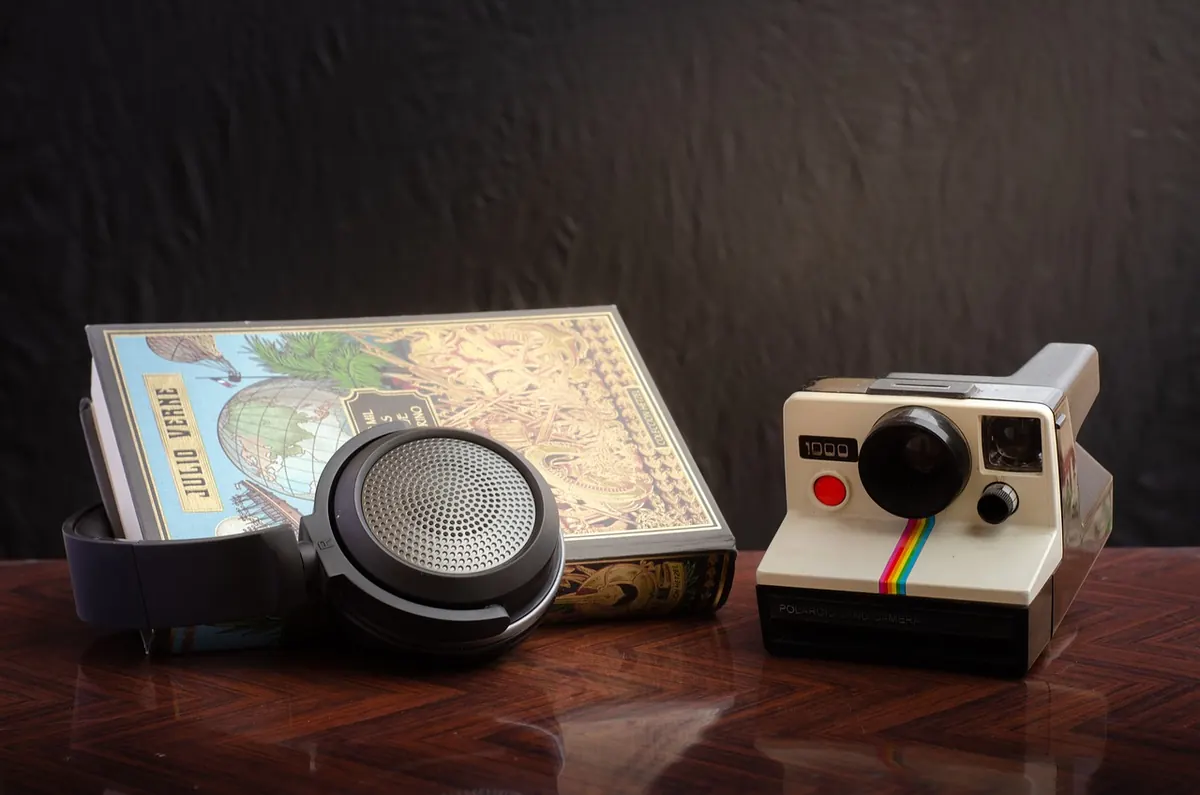
Photo: Surprising_Media / Pixabay